
Many people focus only on body weight. However, an important health factor is often missed: Muscle Mass and Metabolic Health, including muscle mass and strength.
Body weight can change for many reasons. In contrast, lean muscle has a strong effect on metabolism, blood sugar, energy, and long-term health. In fact, keeping your muscle mass is one of the best ways to support healthy aging.
At Bethany Medical Clinic, patients are encouraged to look beyond the scale. Instead, they focus on body composition, strength, and metabolic health.
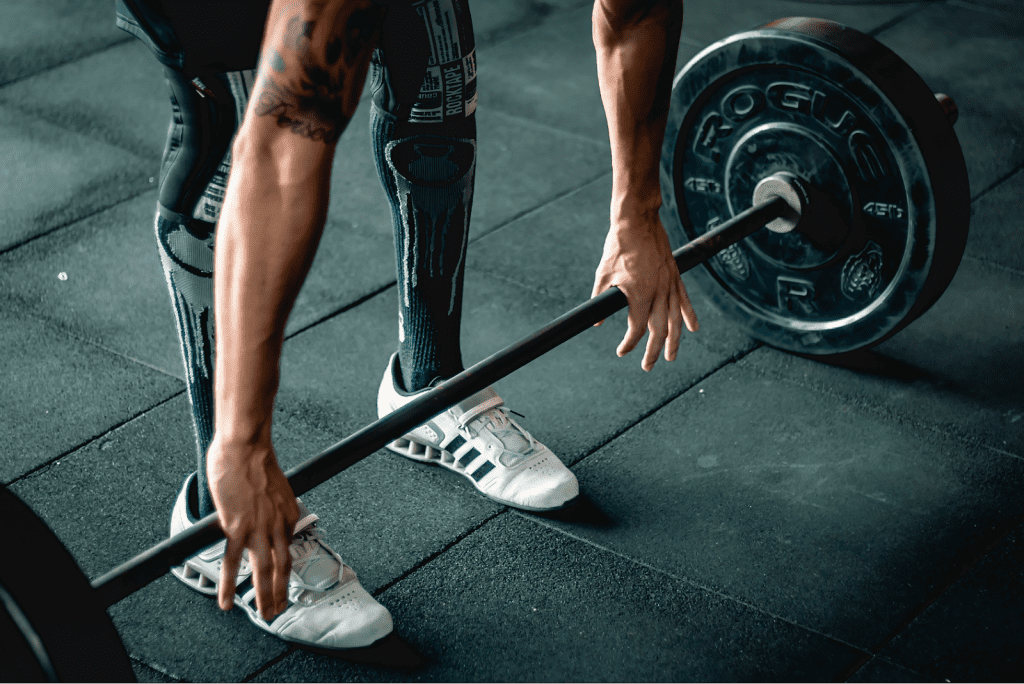
Muscle Is More Than Strength
Muscle is not just about appearance. It is also a key part of your metabolism. In simple terms, muscle helps your body work better.
Healthy muscle tissue helps to:
- Burn more calories
- Keep blood sugar stable
- Support bones and joints
- Improve posture
- Lower the risk of disease
As muscle mass drops, metabolism slows down. As a result, you may feel more tired and gain weight more easily.
Muscle Loss Can Start Early
Many people think muscle loss starts in old age. However, it can begin much earlier. In fact, it may start in your 30s or 40s.
Several factors can cause muscle loss:
- Hormonal changes (perimenopause or low testosterone)
- Ongoing stress
- Poor sleep
- Sitting for long hours
- Low protein intake
Because this happens slowly, it is easy to miss. You may notice fatigue, weight gain, or lower strength first.
The good news is that Muscle Mass and Metabolic Health can improve with the right steps.
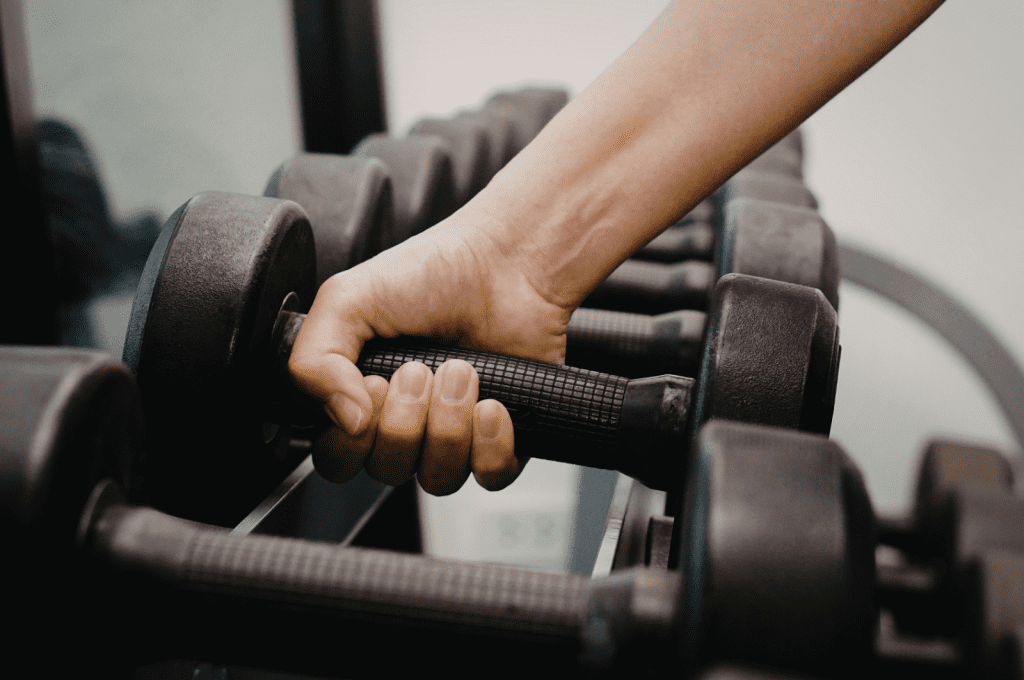
Simple Ways to Improve Muscle and Metabolic Health
Not all health trends are helpful. However, some methods are proven to work.
1. Strength Training (2–3 Times Per Week)
First, strength training is very effective. It helps build and protect muscle.
Even short workouts can:
- Increase strength
- Improve insulin response
- Support joints
- Prevent injury
You can try:
- Dumbbells or kettlebells
- Gym machines
- Bodyweight exercises like squats and push-ups
- Resistance bands
- Daily activities like carrying groceries
The key is to stay consistent. You do not need extreme workouts.
2. Eat Enough Protein
Next, protein is essential for muscle repair. Many people do not eat enough protein each day.
Experts often suggest about 1.2–1.5 grams per kilogram of body weight. Spread it across your meals.
Protein helps with:
- Muscle growth
- Feeling full
- Stable energy
- Better metabolism
3. Creatine (If Appropriate)
Creatine is a well-studied supplement. It supports muscle and energy.
A small daily dose (3–5 grams) may help:
- Increase strength
- Improve recovery
- Support energy at the cellular level
- Help brain function
Most healthy adults can use it safely with medical advice.
4. Track the Right Metrics
The scale does not show the full picture. Instead, focus on better health markers:
- Grip strength
- VO₂ max (fitness level)
- Waist-to-hip ratio
- Body composition tests
These give a clearer view of your health.

Supplements That May Help
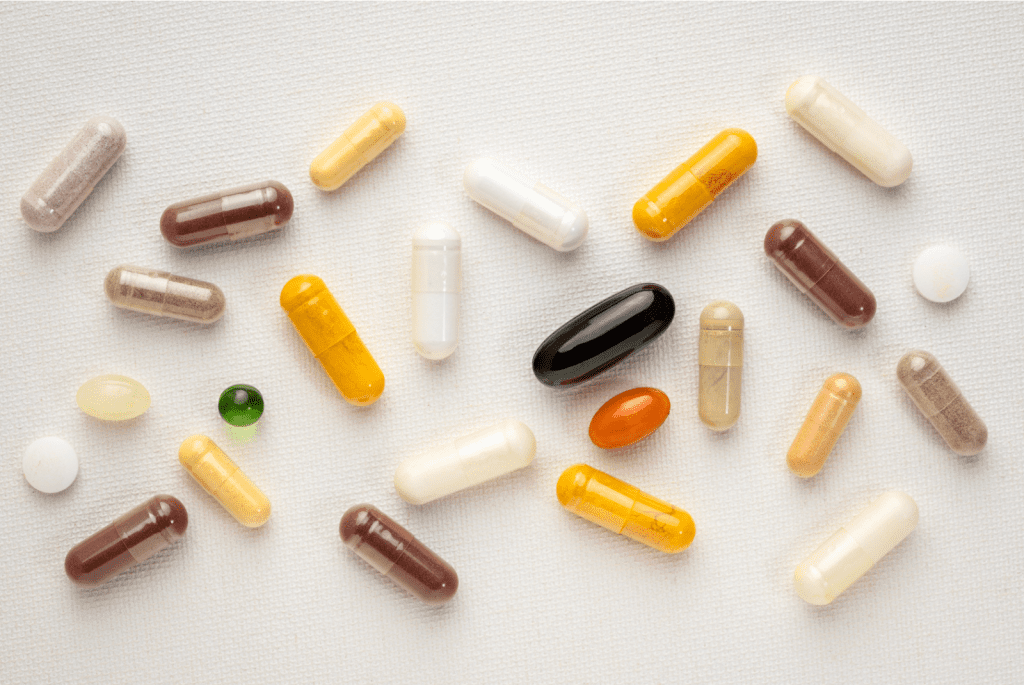
Lifestyle habits are most important. However, some supplements can support muscle mass and metabolic health.
Common Options:
- Protein powders
- Creatine monohydrate
- Vitamin D
- Magnesium
- Omega-3 fatty acids
- Iron (if needed)
- B vitamins
In some cases, doctors may suggest prescription treatment. This depends on your health needs.
Be Careful With Certain Products
Some supplements promise fast results. However, they may not be safe.
Be cautious with:
- Fat burners
- Unregulated muscle-building products
- Testosterone boosters
- Extreme performance enhancers
These can harm your liver, heart, and hormones.
Focus on Long-Term Habits
You do not need extreme changes. Instead, small and steady steps work best.
If you notice:
- Low energy
- Unexplained weight changes
- Weakness
- Trouble building muscle
- No progress despite effort
Then it may be time to look deeper. Hormones, stress, or nutrition could be factors.
At Bethany Medical Clinic, patients receive personalized care. The goal is to improve both short-term energy and long-term health.
Take the Next Step
Muscle health is key to feeling strong and energized.
Schedule a consultation with Bethany Medical Clinic to learn more.