
In a culture fueled by caffeine, productivity hacks, and trending “brain boosters,” it’s no surprise that many people are searching for ways to improve focus, memory, and mental stamina. But sharper thinking doesn’t require extreme measures….or risky supplements. In fact, the most effective ways to support cognitive performance are often the most foundational.
At Bethany Medical Clinic, we take a science‑first, safety‑forward approach to brain health. Below, we break down what truly supports mental clarity, what to approach with caution, and how to think about cognitive optimization in a sustainable way.
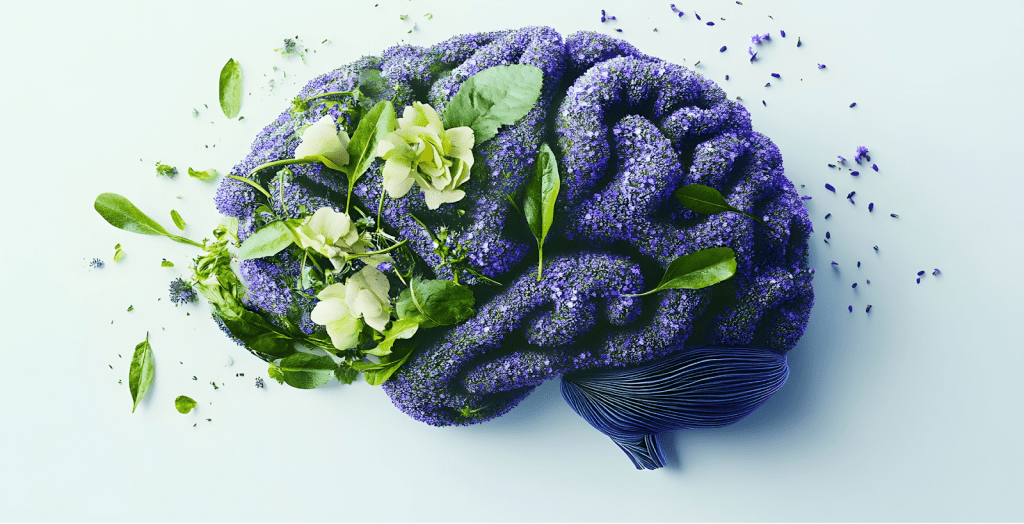
What Actually Improves Focus and Mental Energy
1. Sleep: The Ultimate Cognitive Enhancer
You’ll know how important sleep is from our most recent blog post. Sleep is when the brain consolidates memory, clears metabolic waste, and resets attention networks. Even mild sleep deprivation can impair concentration, reaction time, and decision‑making.
Consistently poor sleep has been associated with brain fog, emotional dysregulation, and reduced executive function (often mistaken for “burnout” or attention problems). Prioritizing sleep quality and regular sleep timing remains one of the most powerful ways to improve mental performance.
2. Physical Activity and Brain Function
Regular physical activity increases blood flow to the brain and supports neuroplasticity. Both aerobic exercise and resistance training have been linked to improvements in attention, memory, and mood. Exercise also plays a key role in stress regulation, which directly affects cognitive stamina.
3. Nutrition and Brain Health
The brain is metabolically demanding and sensitive to nutritional gaps. Balanced meals that support stable blood sugar, adequate protein intake, and sufficient micronutrients are essential for sustained focus and mental energy.
Omega‑3 fatty acids, particularly DHA and EPA, are associated with long‑term brain health and cognitive support. While not a quick fix, they play an important role in maintaining brain structure and function over time.
4. Caffeine: Helpful When Used Strategically
Caffeine can improve alertness and reaction time, but timing and dose matter. Moderate intake earlier in the day tends to be most beneficial. Excessive or late‑day caffeine may disrupt sleep, ultimately undermining cognitive performance rather than enhancing it.
When Focus Issues Deserve a Closer Look
Persistent difficulty concentrating, mental fatigue, or executive dysfunction may signal more than lifestyle strain alone. Stress, mood disorders, sleep disorders, hormonal shifts, nutrient deficiencies, and attention‑related conditions such as ADD/ADHD can all affect cognitive performance.
A licensed clinician can help evaluate underlying contributors and determine whether targeted treatment or additional testing is appropriate. Proper assessment is essential, especially before turning to medications or supplements. Dr. Shirin Peters is one of our providers that can perform this assessment at Bethany Medical.

Supplements and “Brain Boosters”: Proceed With Caution
Not all products marketed for cognitive enhancement are safe or evidence‑based. Some substances carry real health risks, particularly when used without medical supervision.
Substances to Approach Carefully
- Racetams, modafinil, or high‑dose stimulants obtained online: These may increase anxiety, disrupt sleep, and pose cardiovascular or neurological risks.
- High‑dose herbal blends or synthetic cognitive enhancers: Products without strong clinical evidence may strain the liver, affect heart rhythm, or worsen mood and anxiety symptoms.
- Prescription stimulants not prescribed to you: Off‑label use carries serious cardiovascular and neuropsychiatric risks and should never be used without proper medical oversight.
“Natural” does not automatically mean safe, and more is rarely better when it comes to cognitive supplements.
A Smarter Approach to Brain Optimization
Research consistently shows that cognitive performance improves most effectively when foundational factors (i.e. sleep quality, stress management, physical activity, and nutrition) are addressed first. Supplements, when appropriate, should be used thoughtfully and under professional guidance.
Rather than chasing quick fixes, sustainable mental clarity comes from supporting the brain’s underlying physiology.

When to Seek Support
If you’re experiencing persistent brain fog, mental fatigue, difficulty concentrating, or concerns about attention, a personalized evaluation can help clarify what’s contributing and how to address it safely. At our clinic, our providers work with patients to develop evidence‑based, individualized strategies to support cognitive health, without unnecessary risk.
Clear thinking isn’t about doing more. It’s about supporting the systems that allow your brain to function at its best.